

Bader Bodnar Law
Visual Identity System. Full Rebrand.
The Client
Bader Bodnar Law (BBL) is a boutique personal injury firm in Margate, Florida, representing injured people across South Florida and, through co-counsel, the wider state. The firm handles the full range of injury cases, from car accidents and slip-and-falls to medical malpractice and catastrophic trucking accidents, always on a contingency basis so that access to justice is never a question of money. What sets BBL apart is a white-glove model: a staff small enough that a client can know every person working their case, and diverse enough (Hispanic-owned, LGBTQ-owned, with team members who speak Creole, Spanish, and Portuguese) that most clients can speak with someone who shares their background.
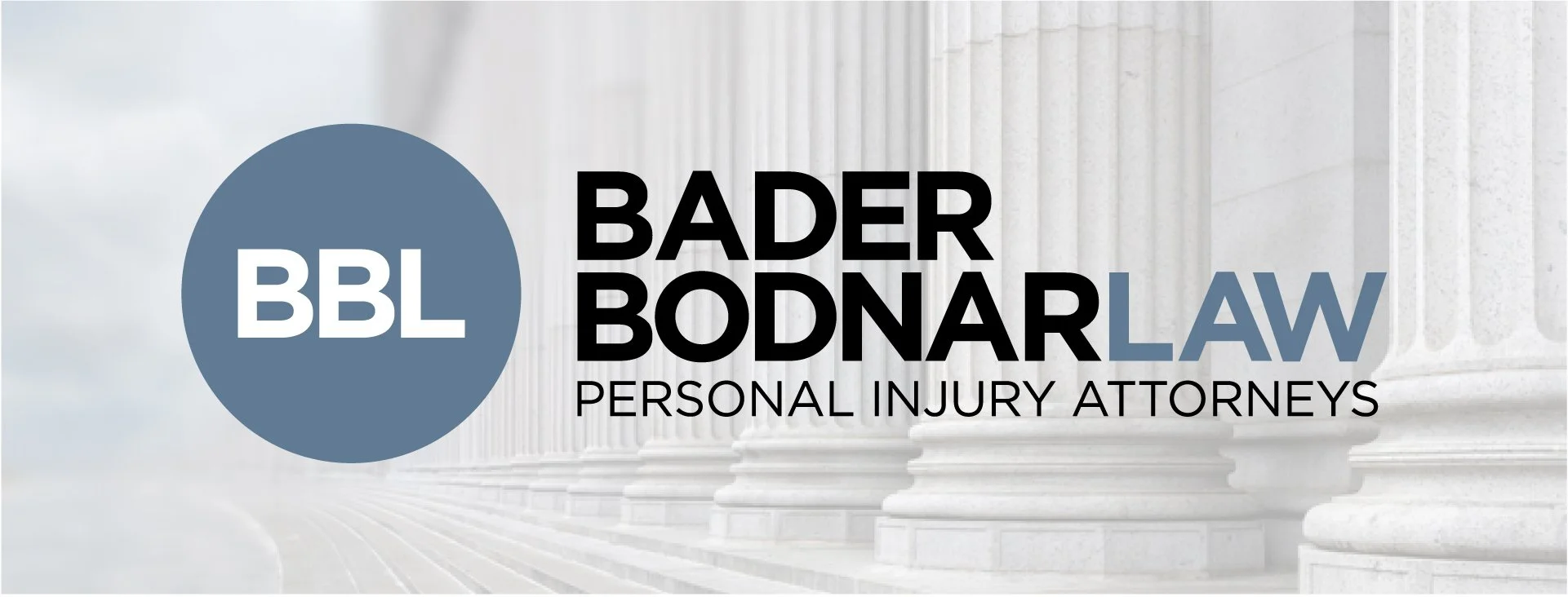
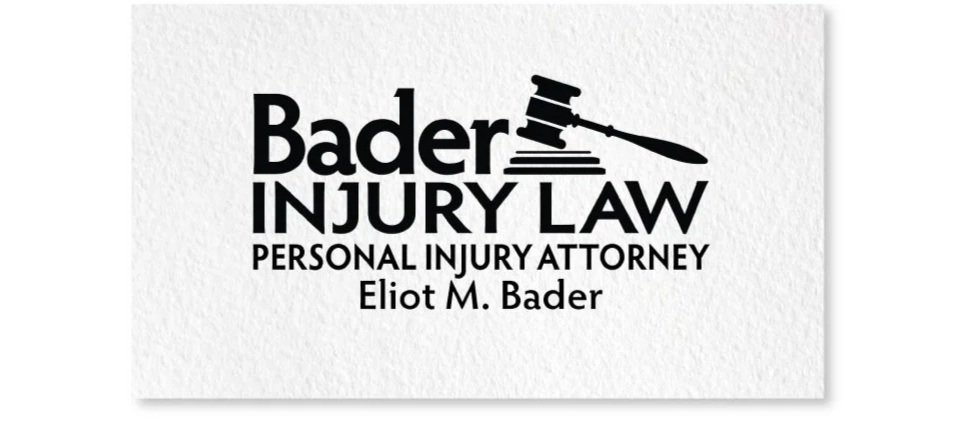
Before:
The Approach
Before any design began, we spent real time together on Zoom. Those conversations did two things. They translated vague language ("modern," "professional," "gold") into specific, shared decisions, and they helped Austin and Jonah articulate the firm's core values, mission, and culture. The visual identity and the internal identity were defined in the same room, at the same time.
Two decisions defined the rebrand.
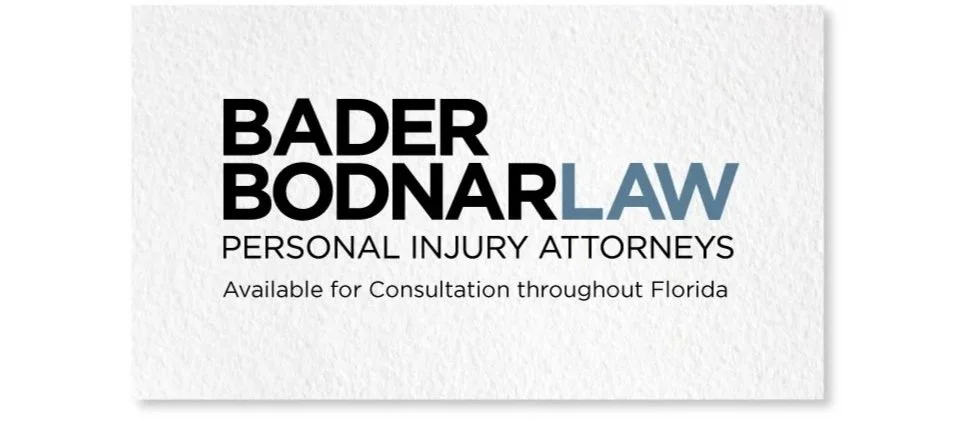
The name. The firm became Bader Bodnar Law, putting Austin's name alongside the family name and honoring the founder while marking a new chapter. The initials spell BBL. In South Florida, that reads two ways, and the firm leaned into it deliberately. To a younger audience, it is a pattern interrupt and a conversation starter; to everyone else, it reads as a straightforward, professional law firm. It is the rebrand strategy in miniature: something traditional, made current.
The color. Most injury firms shout in red and yellow to signal aggression. BBL went the other way, choosing a calm, welcoming blue. The reasoning is human: a client coming to an injury firm is already under enormous pressure, and the brand's job is to reassure, not to add to it. The firm stays just as aggressive where it counts, in advocating for clients, but the identity leads with trust.
The Challenge
BBL did not start as BBL. For thirty-five years, it was Bader Injury Law, a respected solo practice built by Jonah Bader's father. When he passed away unexpectedly in 2024, Jonah and his husband, Austin Bodnar, an experienced litigator, stepped in to carry the firm forward. That meant rebuilding almost everything at once: bringing in a new managing partner, moving a paper-bound practice onto a cloud-based system, and, most importantly, deciding who the firm would be for the next generation of clients.
The existing identity told the wrong story. It said nothing about the people now running the firm or the clients they wanted to reach, and it would not survive the move onto social media and digital platforms the firm knew was coming.
The brief was delicate: modernize for a younger audience without erasing thirty-five years of hard-won trust and a founder's legacy.
After:
Don’t take my word for it.
“We needed to revamp our branding, and we reached out to Marco at Studio de Mel. We had several great Zoom conversations, and Marco really understands what you’re looking for. He’s able to fill in the gaps and read between the lines. He goes above and beyond to make sure he understands your business fully, so he can execute on your vision. It’s been over two years, and the feedback we get from clients and the public on our brand and our social presence has been invaluable. We use the brand guidelines almost every single day. We would refer Marco to any business looking to rebrand.”
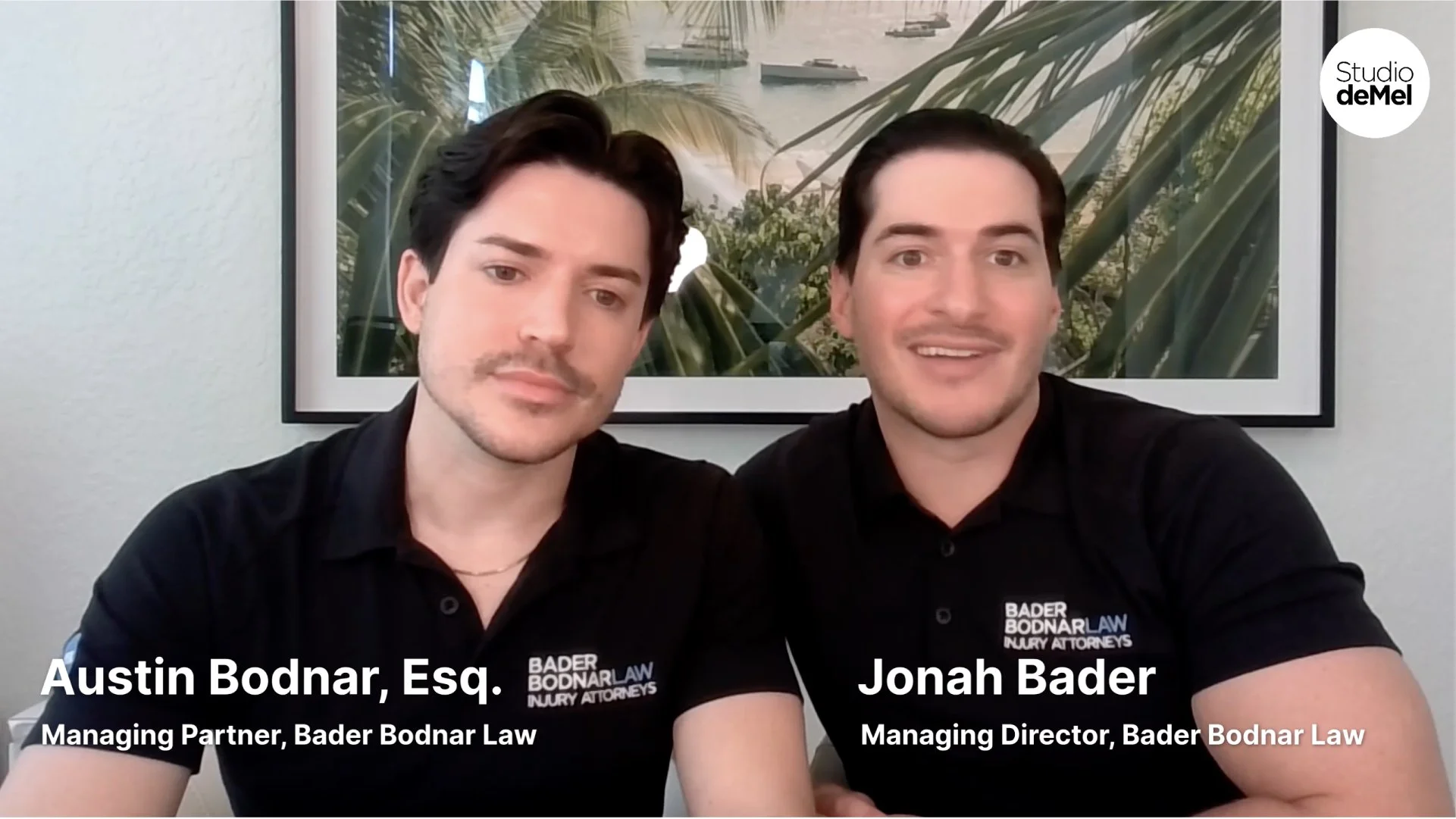
"He Reads Between the Lines" – Bader Bodnar Law on Studio de Mel.
Managing Partner, Austin Bodnar, Esq., and Managing Director, Jonah Bader, of Bader Bodnar Law, a personal injury law firm based in Margate, Florida, share their experience working with Marco de Mel Pedersen at Studio de Mel on a full brand identity revamp.
Two years later, they use the brand guidelines every single day.
Learn more about Bader Bodnar Law.
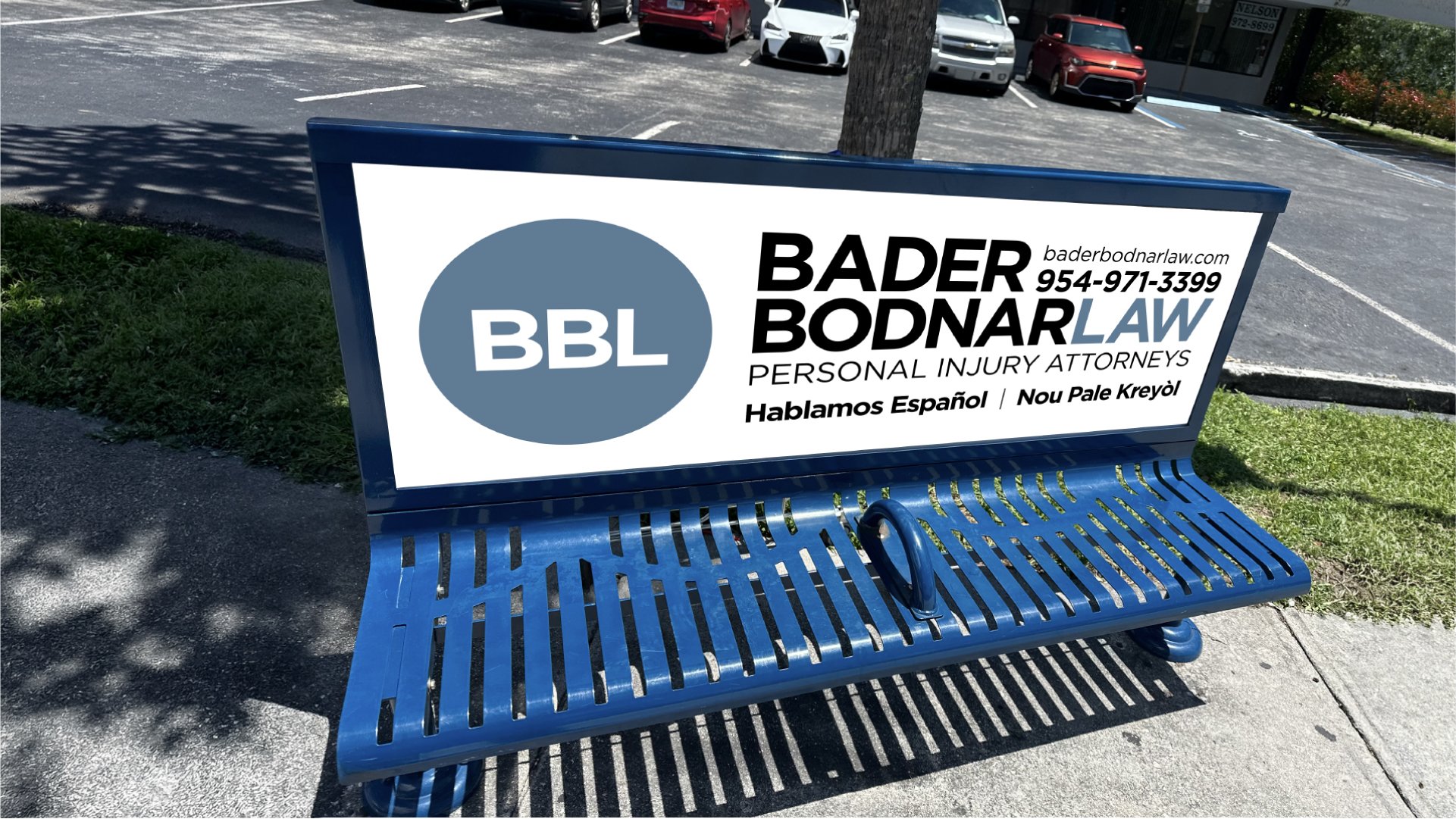
Environmental signage that meets the community in its own language.
The System
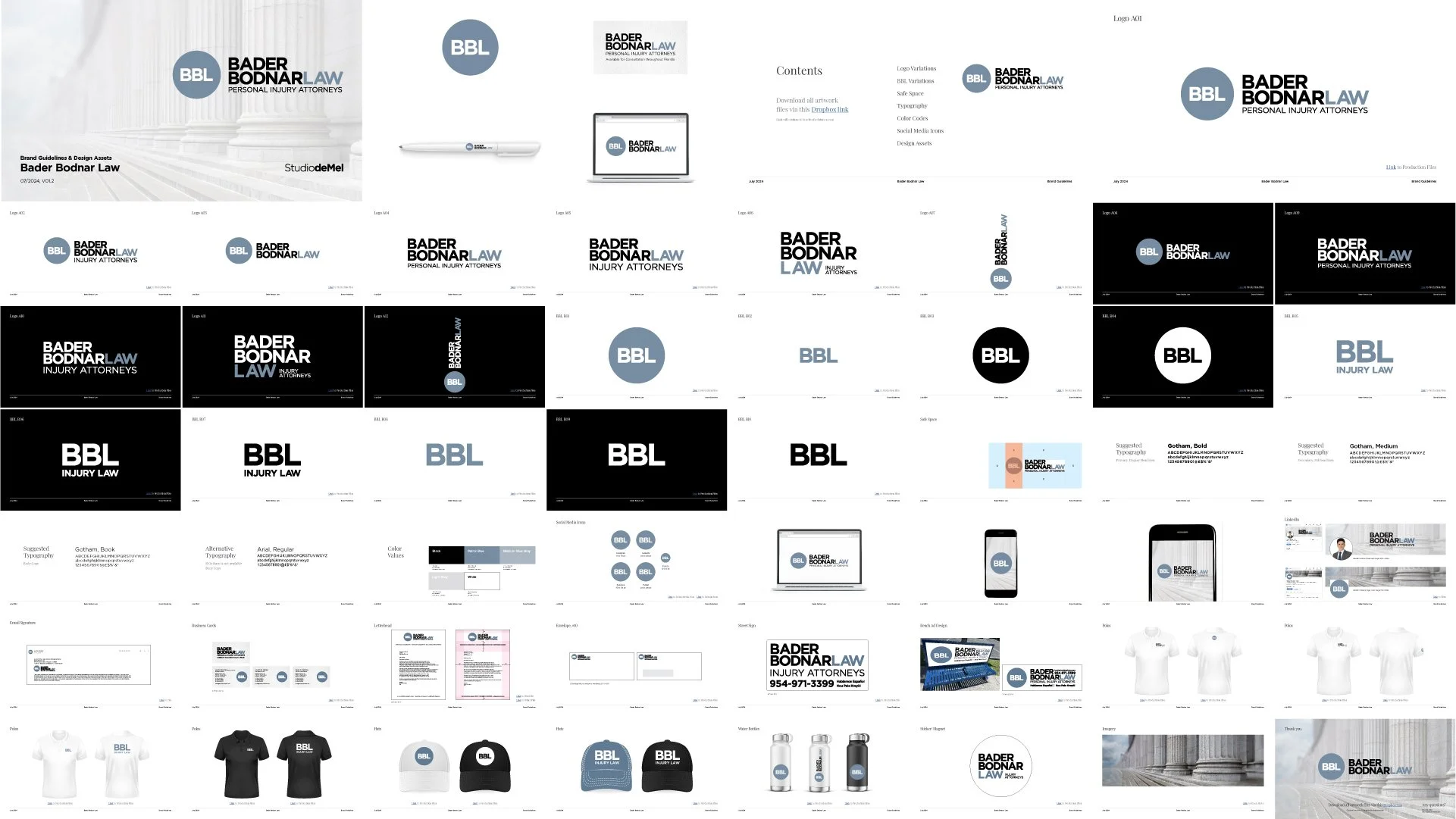
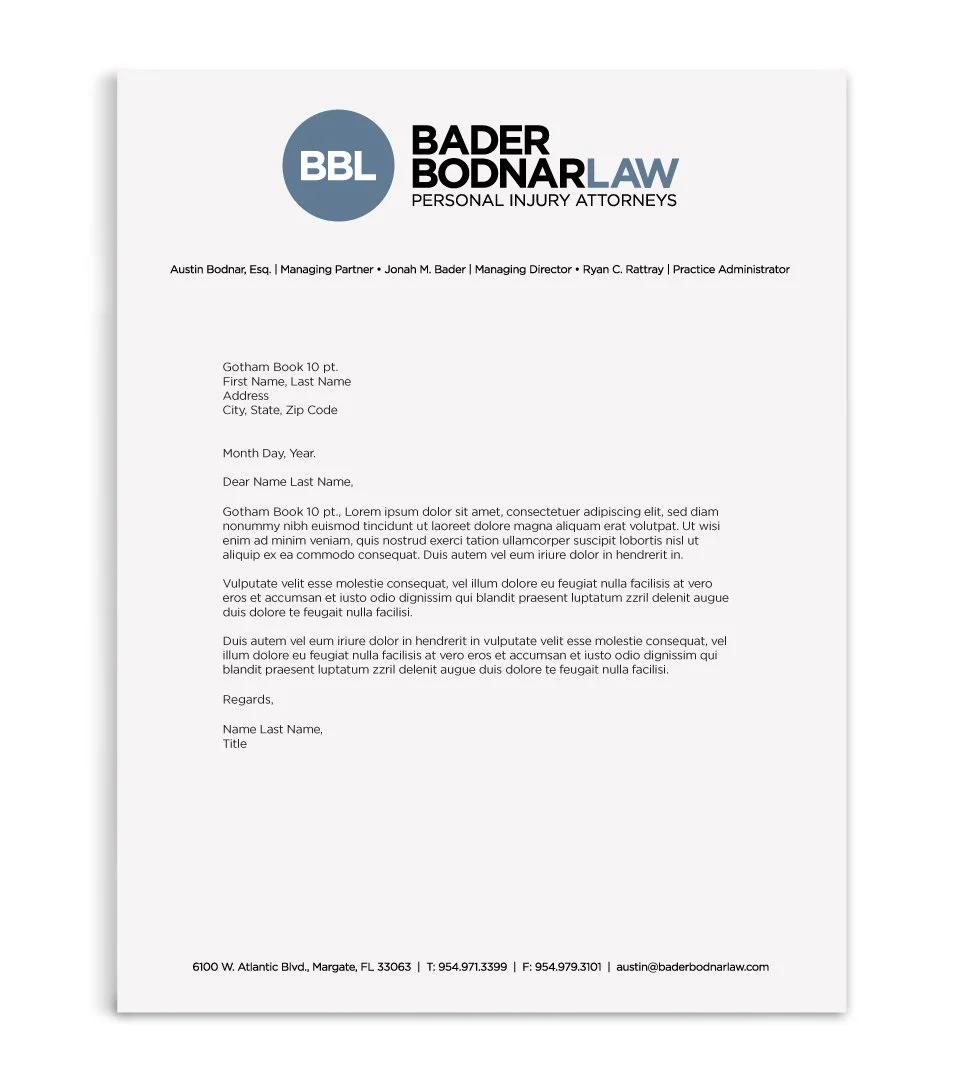
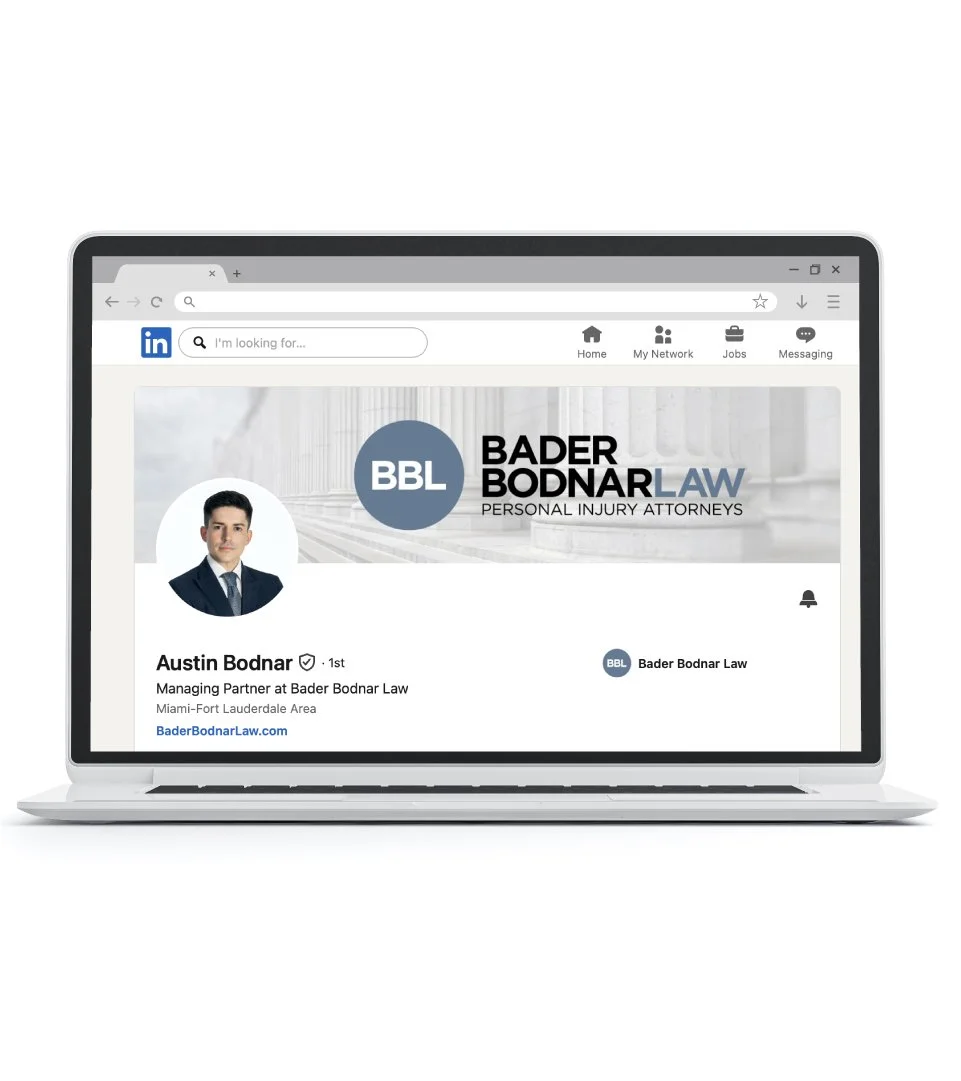
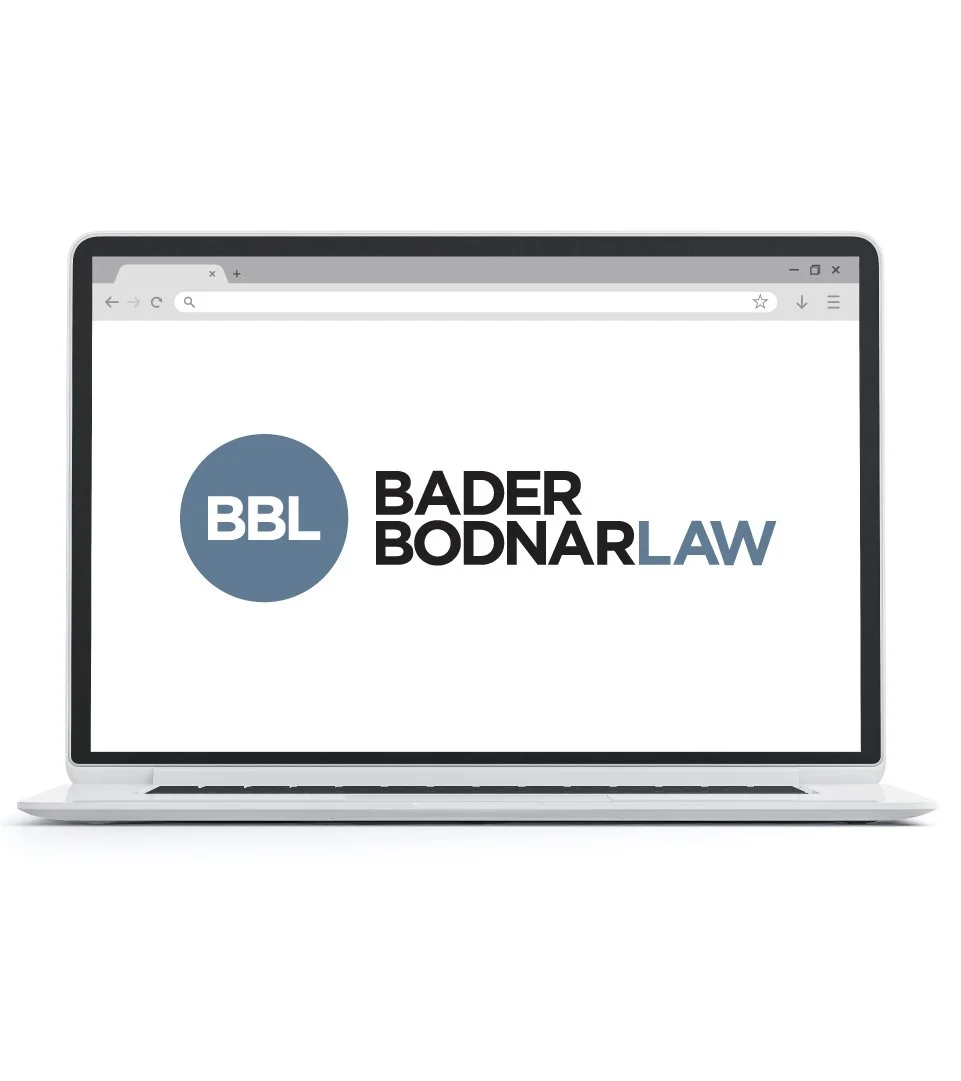
The deliverable was a complete visual identity system and a brand guidelines document built to be used, not filed away: logo suite, full color values (HEX, RGB, and print), typography, imagery direction, business cards, letterhead, social profile assets, favicon, and email signature.
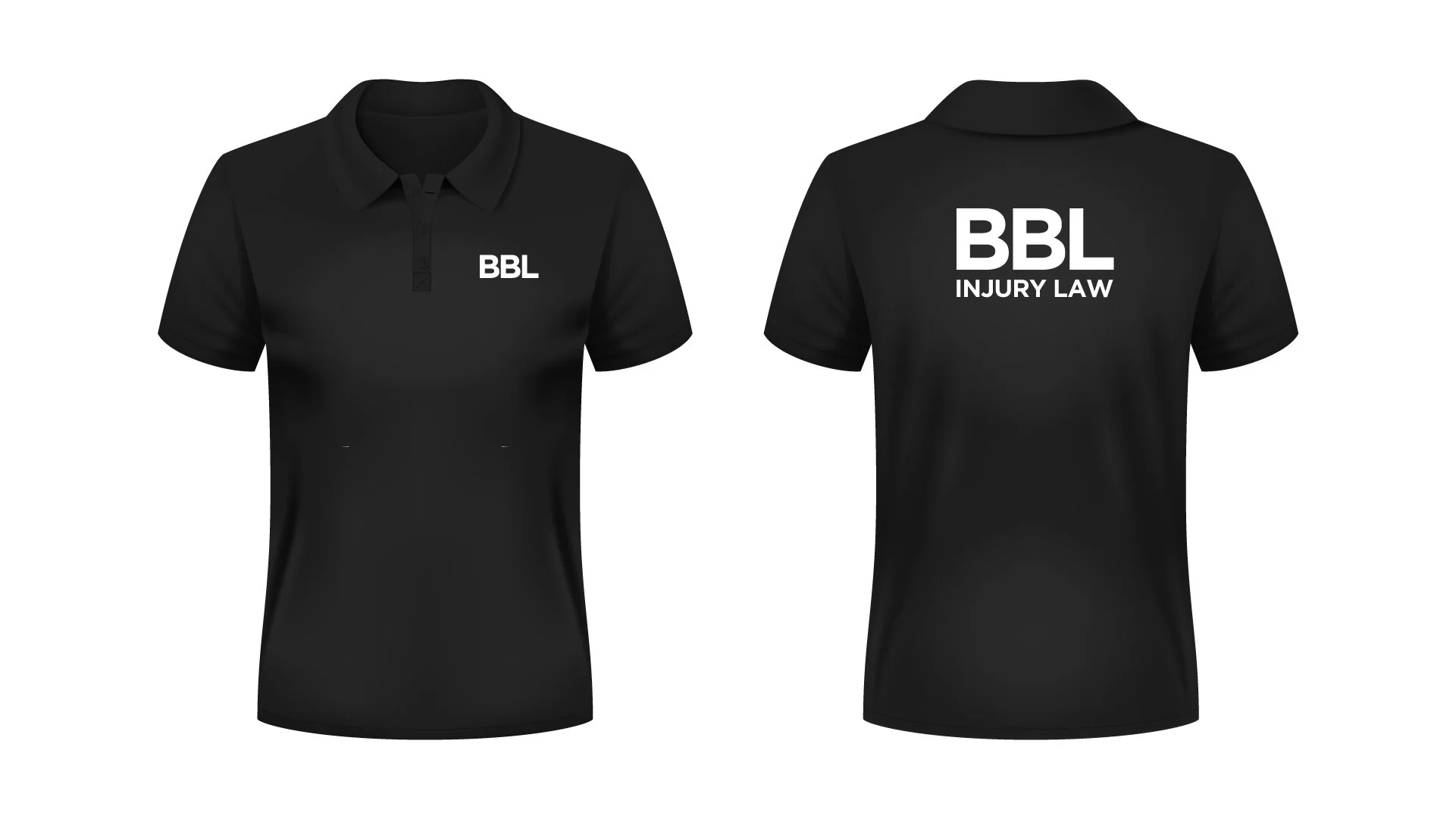
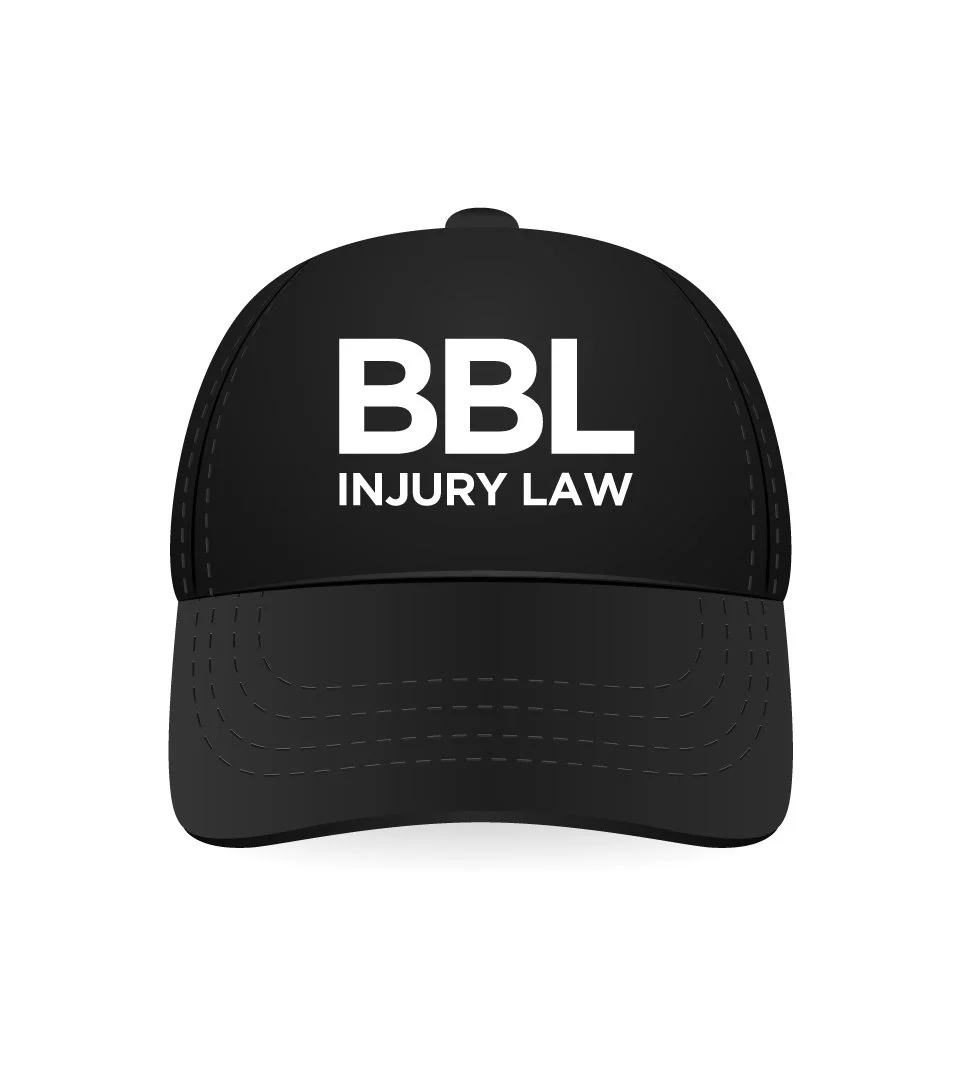
Two years on, the firm runs the system across everything: a redesigned office interior, environmental and bench signage (incl. signage that tells the community the firm speaks Creole and Spanish), retractable banners for events, stickers, t-shirts, and the now-famous BBL hats. When BBL works with outside vendors, they hand over the guidelines and the master files, so the brand stays consistent wherever it shows up.
The Results
The brand works, and the firm can point to the proof. BBL has signed cases that came directly from Instagram, LinkedIn, and Google, new clients with no connection to the firm's thirty-five-year history. In the first couple of years under the new identity, the firm has recovered millions for clients, including a $1.65 million settlement. The merchandise has its own pull: at a single race in Miami, Austin and Jonah handed out sixty business cards and still ran out, with hats now traveling to California, New York, North Carolina, Georgia, and beyond. In Austin and Jonah's own words, the brand guidelines are used almost every single day, and the response from clients and the public has been "invaluable."
The Design Process
Overview of the design process.
01. DEFINE. Discovery and Research. Kick-off meeting and brand questionnaire. Project goals, brand values, target audience, and preferences. Market analysis of competitors and trends. A full brand audit of existing materials.
03. REFINE. Design Development. Logo design and refinement of the chosen direction. Cohesive color palette. Typography selection. Supporting graphics, icons, and imagery styles.
Ready to rebrand?
02. DESIGN. Concept Development. Mood boards to explore visual directions. Initial sketches and concepts for typography, graphic elements, color, and overall direction.
04. DELIVER. Brand Guidelines and Assets. Brand guidelines document covering logo usage and clear space, color values, typography, and imagery and iconography guidance. Business cards. Digital assets including social profile icons, LinkedIn banner, Canva brand kit, favicon, and email signature.